
Quick take:
-
PRP (platelet-rich plasma) therapy uses your own blood’s growth factors to support skin rejuvenation, hair restoration, and tissue repair.
-
The procedure is minimally invasive, typically completed in under an hour, and requires little to no downtime.
-
Naples residents can explore a range of PRP applications at aesthetic medical spas opening in the downtown area.
Platelet-rich plasma therapy is one of the more practical regenerative options available at medical spas today, using the body’s own biology rather than synthetic additives to encourage healing and renewal. For anyone researching PRP treatment in Downtown Naples, understanding what the procedure involves, which applications are best supported by evidence, and what to realistically expect from results is the right place to start.
What PRP Therapy Actually Is and How It Works
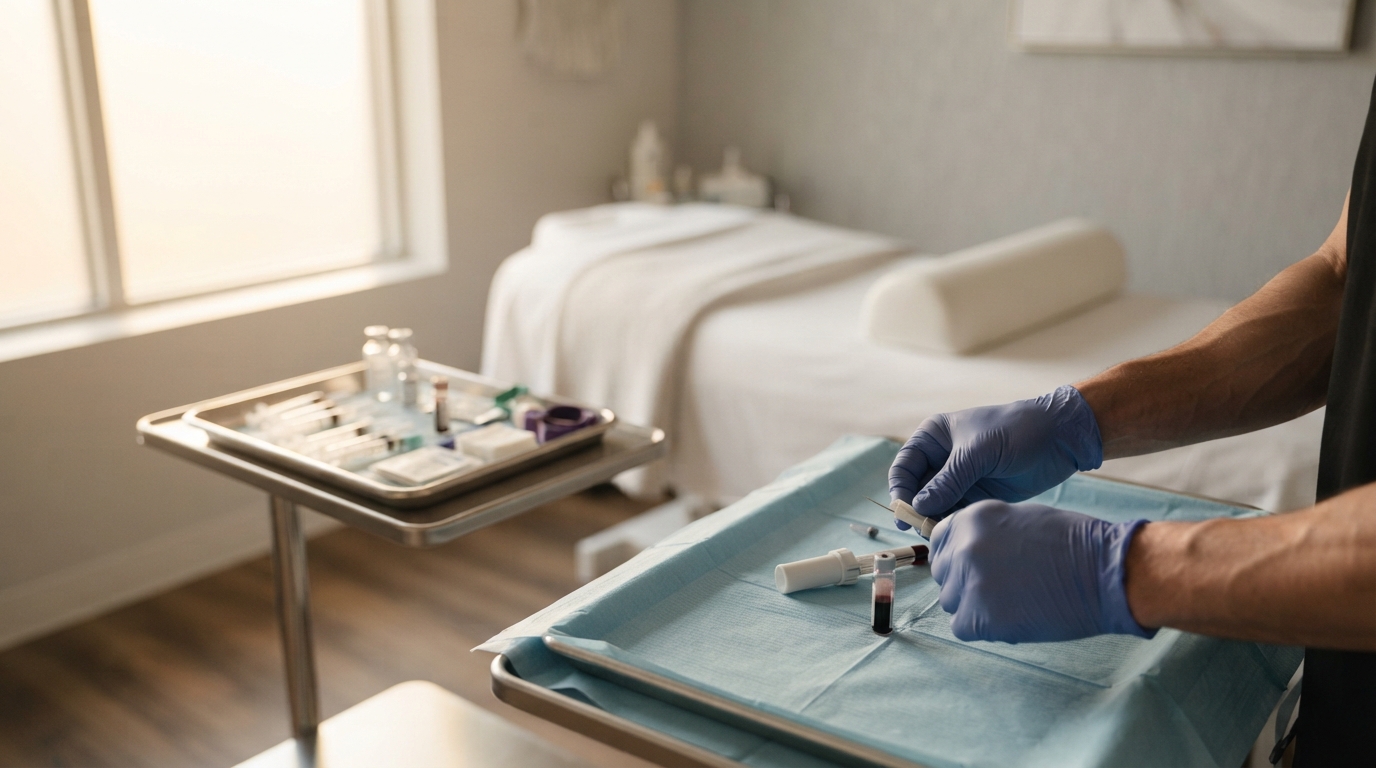
PRP is a concentrated form of plasma enriched with platelets, growth factors, and cytokines essential for stimulating tissue healing. The process begins with a routine blood draw. A small amount of blood is taken from your arm, then spun rapidly in a centrifuge for about 10 minutes to separate its components, after which the concentrated platelet-rich layer is collected and injected into the target area.
Platelets contain growth factors that stimulate cell proliferation, tissue repair, and the formation of new blood vessels, while PRP also enhances collagen production, which is essential for skin elasticity and strength. Because the plasma comes from the patient’s own blood, the risk of allergic reactions or side effects is extremely low, making it a safe and effective option for those seeking non-invasive aesthetic treatments.
According to Johns Hopkins Medicine, platelets contain growth factors that can trigger cell proliferation, speed healing, and stimulate tissue regeneration, with the treatment using a patient’s own blood cells to accelerate healing in a specific area.
PRP Treatment Applications: A Comparison
In orthopedics, PRP facilitates tendon, cartilage, and bone repair by promoting angiogenesis, modulating inflammatory cascades, and stimulating cellular proliferation. In dermatology, PRP’s regenerative potential has been harnessed for skin rejuvenation, scar remodeling, and the treatment of androgenetic alopecia and other hair loss disorders.
The table below outlines the most common aesthetic PRP applications, their primary mechanism, and what to expect in terms of results timing.
|
Application |
Primary Mechanism |
Typical Results Timeline |
|
Facial skin rejuvenation |
Collagen stimulation, texture refinement |
Several weeks after treatment |
|
Scalp / hair restoration |
Follicle reactivation, growth phase stimulation |
3-6 months for visible density change |
|
Under-eye rejuvenation |
Volume restoration, elasticity improvement |
4-8 weeks |
|
Microneedling combined with PRP |
Enhanced skin remodeling, scar attenuation |
4-6 weeks per session |
Results of PRP treatment are most noticeable after several weeks for joint injections and six months for scalp injections, and are not permanent; patients may require additional injections at the direction of their doctor. The standard aesthetic PRP protocol involves 3 to 6 sessions administered at monthly intervals.
How to Prepare and What to Expect During a Session
A straightforward pre-treatment routine makes a measurable difference in outcomes. Here is a general step-by-step overview of what a PRP session involves:
-
Consultation – A provider reviews your skin or scalp concerns, medical history, and treatment goals.
-
Blood draw – A small sample is taken from your arm, similar to routine lab work.
-
Centrifuge processing – The sample is spun to isolate the platelet-rich layer, typically taking about 10 minutes.
-
Numbing – A topical anesthetic or lidocaine is applied to the treatment area for comfort.
-
Injection – PRP is injected into multiple places under the skin, where the platelets break down and release their growth factors, triggering the natural processes of cell proliferation and tissue renewal.
-
Recovery – The procedure takes about 30 minutes, and most people can resume their normal activities immediately afterward.
Before your appointment, your provider will likely ask you to stop pain-relieving medication for about a week beforehand, because pain relievers can weaken how well your platelets perform. After the session, mild soreness or redness is normal and usually settles within a day or two; avoid strenuous workouts and saunas for the first 24 to 48 hours.
Setting Realistic Expectations for PRP Results
PRP is not a single-session fix. Effectiveness varies depending on the condition being treated, the preparation of the PRP, and the individual factors of the person receiving treatment. A 2025 study published in The American Journal of Sports Medicine determined that PRP injections to the knee provided clinically significant pain relief, though the study’s authors also called out the lack of standardization in PRP protocols.
For aesthetic applications specifically, PRP for skin is typically paired with microneedling or injected in small doses to boost collagen production, soften fine lines, and fade scarring. Results typically begin to appear within a few weeks and can last several months, with maintenance treatments often recommended every 6 to 12 months for optimal results.
Frequently Asked Questions
Is PRP treatment painful? Most providers apply a numbing agent before injection. The treatment area may be sore for two or three days, and some bruising is possible; acetaminophen can help ease discomfort.
How many PRP sessions will I need? Multiple sessions are typically required for optimal results, with visible improvement often seen after several treatments. The standard aesthetic protocol involves 3 to 6 sessions at monthly intervals.
Can PRP be combined with other treatments? Yes. Combining PRP with other treatments like fractional CO2 lasers or microneedling can enhance results and promote more effective skin remodeling.
Does insurance cover PRP for aesthetic purposes? Medical insurance does not usually cover PRP injections, which can become expensive if repeat treatments are necessary. Confirm costs and financing options directly with your provider before booking.
If you are ready to explore PRP options with a qualified team, The Aesthetics Lounge and Spa Downtown Naples is opening within Avra at Metropolitan Naples and will offer PRP treatments alongside a full range of aesthetic and wellness services. Led by nationally recognized aesthetic providers Jonathan and April Sigg, the team delivers personalized treatment plans designed to help patients improve skin health, restore facial balance, reduce signs of aging, and achieve natural-looking results. Scheduling a consultation before committing to a full treatment plan is always the recommended first step.