
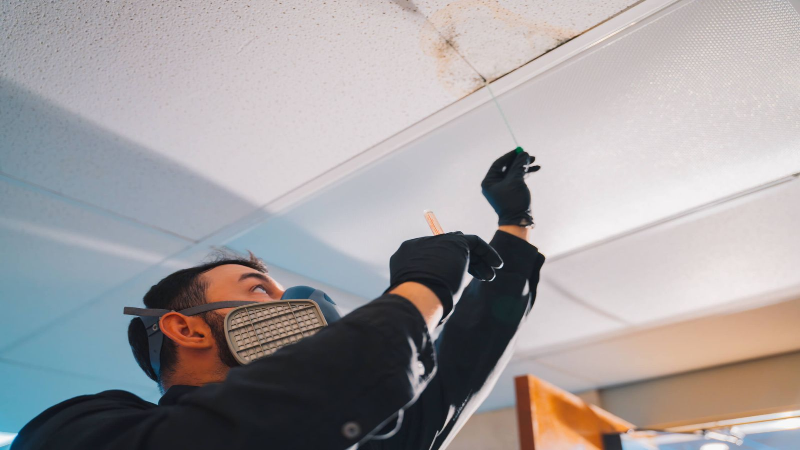
Recovering from water damage and mold issues can be overwhelming for homeowners and property managers across the state. The humid climate and frequent storms in Louisiana make properties particularly vulnerable to these problems. When searching for targeted solutions, many individuals turn to Water Damage and Mold Inspection in Louisiana to guide their recovery process. Utilizing specialized inspections and remediation strategies ensures a safe, healthy living environment while protecting your property’s value.
Understanding the Impact of Water Damage and Mold
Water intrusion, whether from flooding, plumbing issues, or roof leaks, can lead to extensive structural damage. Left unaddressed, lingering moisture becomes a breeding ground for mold, which poses serious health risks and can jeopardize the integrity of building materials. Early detection and comprehensive inspection are crucial for minimizing long-term consequences.
Steps for Effective Recovery
Recovering from water damage and mold growth requires a systematic approach. By following these steps, property owners in Louisiana can ensure a thorough and effective restoration process:
1. Immediate Response and Assessment
• Ensure Safety: Before entering affected areas, confirm that electrical systems are safe and there is no risk of structural collapse.
• Stop the Source: Identify and halt the source of water intrusion to prevent further damage.
• Initial Assessment: Document visible signs of damage and mold for insurance purposes and to help guide professional inspections.
2. Professional Inspection and Testing
• Comprehensive Evaluation: Engage certified inspectors to conduct a thorough analysis using advanced moisture detection tools and air quality testing.
• Identify Hidden Issues: Professionals can uncover concealed water damage and hidden mold growth behind walls, under flooring, or in crawl spaces.
• Detailed Report: Obtain a complete inspection report, outlining the extent of damage and recommended remediation steps.
3. Strategic Remediation and Cleanup
• Water Extraction: Remove standing water using industrial-grade pumps and vacuums.
• Drying and Dehumidification: Employ commercial dehumidifiers and air movers to eliminate moisture from building materials.
• Mold Removal: Specialized cleaning techniques and antimicrobial treatments are used to remove mold and prevent recurrence safely.
• Disposal of Damaged Materials: Properly discard materials that cannot be salvaged, such as saturated drywall, insulation, or carpeting.
4. Restoration and Prevention
• Repair and Replace: Restore structural elements, flooring, and finishes to their pre-damage condition.
• Preventative Measures: Seal potential entry points for water, improve drainage, and install moisture barriers where needed.
• Regular Monitoring: Schedule periodic inspections to ensure that water intrusion and mold growth do not recur.
Why Timely Action Matters
Acting quickly after discovering water damage or mold can make a significant difference in recovery costs and health outcomes. Delays may lead to more extensive damage, higher remediation expenses, and increased health risks, particularly for vulnerable individuals such as children, seniors, and those with respiratory conditions.
In summary, effective recovery from water damage and mold issues relies on a structured approach that includes immediate response, professional inspection, thorough remediation, and ongoing prevention. By following these steps and utilizing expert guidance available through Water Damage And Mold Inspection in Louisiana, property owners can restore their homes and safeguard their health with confidence. Proactive management not only protects your investment but also ensures a safe and comfortable environment for years to come.