
At glance:
• Tooth loss, chronic pain, and gum disease are the most common reasons adults consider dentures.
• Dentures range from full to partial to implant-supported, depending on how many natural teeth remain.
• A dental exam is the only reliable way to confirm whether dentures fit a specific case.
Difficulty chewing, loose teeth, and visible gaps from missing teeth are the clearest signs thatSigns It May Be Time to Consider Dentures for Better Oral Health
At glance:
• Tooth loss, chronic pain, and gum disease are the most common reasons adults consider dentures.
• Dentures range from full to partial to implant-supported, depending on how many natural teeth remain.
• A dental exam is the only reliable way to confirm whether dentures fit a specific case.
Difficulty chewing, loose teeth, and visible gaps from missing teeth are the clearest signs that dentures may be worth discussing with a dentist. These changes rarely happen overnight, which is why many adults delay care until eating or speaking becomes noticeably harder.
Choosing Dentures DeForest WI often comes down to how much natural tooth structure remains and whether the surrounding gum and bone tissue can support a removable or implant-retained appliance. A dentist typically evaluates bite function, bone density, and gum health before recommending a specific type of replacement. That evaluation also rules out other causes of discomfort, such as decay or infection, that might respond to less extensive treatment.
Common Warning Signs Worth Discussing With a Dentist
Several physical changes tend to appear before a patient and dentist decide dentures are the right next step. None of these signs alone confirms the need for dentures, but a pattern of two or more is worth a professional opinion.
• Persistent difficulty chewing firm or fibrous foods
• Teeth that feel loose, shift position, or have visible gaps between them
• Chronic tooth pain that returns after fillings or other repairs
• Gums that bleed, swell, or recede around multiple teeth
• Noticeable changes in speech, such as slurring or whistling sounds
• A sunken or collapsed appearance around the mouth and lower face
Multiple missing teeth place extra pressure on the ones that remain, which can accelerate further shifting and wear over time.
How Common Is Tooth Loss in Adults
Tooth loss becomes more common with age, though the overall trend has been declining for decades. According to the CDC’s 2024 Oral Health Surveillance Report, the prevalence of edentulism among adults increased from 1.2% at 35-49 years to 5.9% at 50-64 years, 11.4% at 65-74 years, and 19.7% at 75 years or older. These figures reflect complete tooth loss; partial tooth loss and the need for partial dentures affect a far larger share of adults at every age.
For residents of DeForest, WI, these patterns matter because routine dental visits remain the most reliable way to catch early warning signs before extractions become unavoidable. Waiting until pain or visible gaps appear often means more extensive treatment is needed later.
Types of Dentures and What They Address
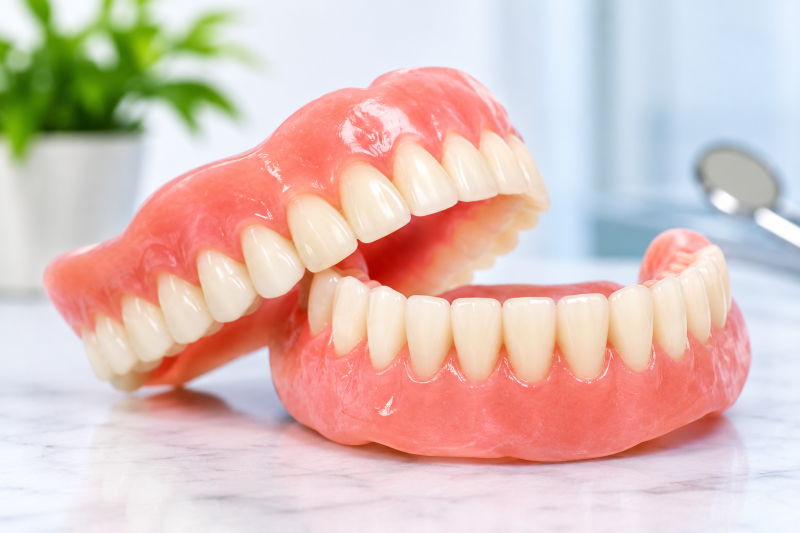
Dentures are not a single product; the right type depends on how many teeth remain and the condition of the supporting gum tissue.
|
Denture Type |
Best Suited For |
Key Consideration |
|
Full dentures |
Complete tooth loss in one or both arches |
Requires healed gums after extractions |
|
Partial dentures |
Several missing teeth with healthy teeth remaining |
Helps prevent remaining teeth from shifting |
|
Implant-supported dentures |
Patients wanting added stability |
Depends on adequate jawbone density |
A dentist determines which option fits based on an oral exam, imaging, and a review of overall health history.
Based in USA, First Choice Dental’s listed locations extend service coverage to DeForest, WI, without a dedicated office in that specific area. Restorative treatment, including bridges and dentures, is among the services identified for patients seeking tooth replacement options within the broader Dane County service network.
Frequently Asked Questions
How do I know if I need dentures instead of a repair like a filling or crown? A dentist typically recommends dentures when multiple teeth are missing, loose, or too damaged to restore individually. Fillings and crowns remain options when enough healthy tooth structure is still present.
Can partial dentures prevent further tooth loss? Partial dentures fill gaps and help distribute bite pressure more evenly, which can reduce shifting among remaining teeth. They do not reverse existing gum disease or bone loss, so continued dental care still matters.
Do dentures feel different from natural teeth right away? Most new denture wearers notice an adjustment period affecting speech and chewing during the first few weeks. Comfort typically improves as the mouth adapts and any needed fit adjustments are made.
Is tooth loss always related to age? Age increases the likelihood of tooth loss, but decay, gum disease, and injury can lead to missing teeth at any stage of life. A dental evaluation is the most accurate way to identify the underlying cause.
Final Notes on Deciding About Dentures
Recognizing early signs of tooth loss and discussing them with a dentist remains the most practical way to determine whether dentures are an appropriate next step. Published details for Read More About Dentures describe the general service area connected to restorative dental care in the region. dentures may be worth discussing with a dentist. These changes rarely happen overnight, which is why many adults delay care until eating or speaking becomes noticeably harder.
Choosing dentures often comes down to how much natural tooth structure remains and whether the surrounding gum and bone tissue can support a removable or implant-retained appliance. A dentist typically evaluates bite function, bone density, and gum health before recommending a specific type of replacement. That evaluation also rules out other causes of discomfort, such as decay or infection, that might respond to less extensive treatment.
Common Warning Signs Worth Discussing With a Dentist
Several physical changes tend to appear before a patient and dentist decide dentures are the right next step. None of these signs alone confirms the need for dentures, but a pattern of two or more is worth a professional opinion.
• Persistent difficulty chewing firm or fibrous foods
• Teeth that feel loose, shift position, or have visible gaps between them
• Chronic tooth pain that returns after fillings or other repairs
• Gums that bleed, swell, or recede around multiple teeth
• Noticeable changes in speech, such as slurring or whistling sounds
• A sunken or collapsed appearance around the mouth and lower face
Multiple missing teeth place extra pressure on the ones that remain, which can accelerate further shifting and wear over time.
How Common Is Tooth Loss in Adults
Tooth loss becomes more common with age, though the overall trend has been declining for decades. According to the CDC’s 2024 Oral Health Surveillance Report, the prevalence of edentulism among adults increased from 1.2% at 35-49 years to 5.9% at 50-64 years, 11.4% at 65-74 years, and 19.7% at 75 years or older. These figures reflect complete tooth loss; partial tooth loss and the need for partial dentures affect a far larger share of adults at every age.
For residents of DeForest, WI, these patterns matter because routine dental visits remain the most reliable way to catch early warning signs before extractions become unavoidable. Waiting until pain or visible gaps appear often means more extensive treatment is needed later.
Types of Dentures and What They Address
Dentures are not a single product; the right type depends on how many teeth remain and the condition of the supporting gum tissue.
|
Denture Type |
Best Suited For |
Key Consideration |
|
Full dentures |
Complete tooth loss in one or both arches |
Requires healed gums after extractions |
|
Partial dentures |
Several missing teeth with healthy teeth remaining |
Helps prevent remaining teeth from shifting |
|
Implant-supported dentures |
Patients wanting added stability |
Depends on adequate jawbone density |
A dentist determines which option fits based on an oral exam, imaging, and a review of overall health history.
Based in USA, First Choice Dental’s listed locations extend service coverage to DeForest, WI, without a dedicated office in that specific area. Restorative treatment, including bridges and dentures, is among the services identified for patients seeking tooth replacement options within the broader Dane County service network.
Frequently Asked Questions
How do I know if I need dentures instead of a repair like a filling or crown? A dentist typically recommends dentures when multiple teeth are missing, loose, or too damaged to restore individually. Fillings and crowns remain options when enough healthy tooth structure is still present.
Can partial dentures prevent further tooth loss? Partial dentures fill gaps and help distribute bite pressure more evenly, which can reduce shifting among remaining teeth. They do not reverse existing gum disease or bone loss, so continued dental care still matters.
Do dentures feel different from natural teeth right away? Most new denture wearers notice an adjustment period affecting speech and chewing during the first few weeks. Comfort typically improves as the mouth adapts and any needed fit adjustments are made.
Is tooth loss always related to age? Age increases the likelihood of tooth loss, but decay, gum disease, and injury can lead to missing teeth at any stage of life. A dental evaluation is the most accurate way to identify the underlying cause.
Final Notes on Deciding About Dentures
Recognizing early signs of tooth loss and discussing them with a dentist remains the most practical way to determine whether dentures are an appropriate next step. Published details for Read More About Dentures describe the general service area connected to restorative dental care in the region.