
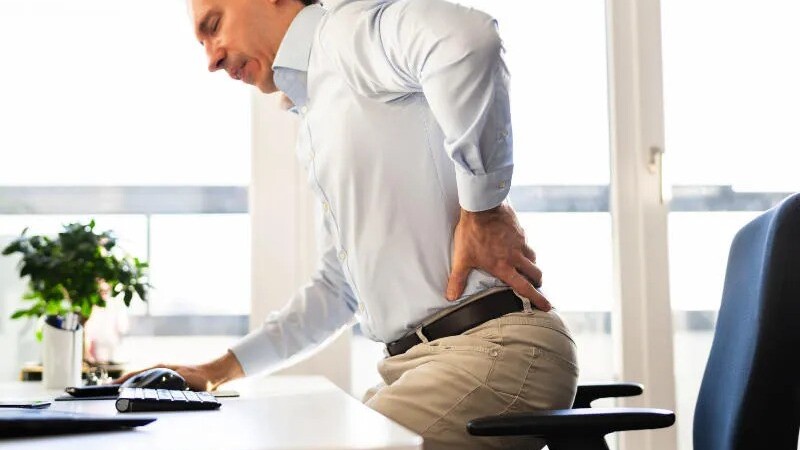
Back pain after hiking or pickleball is usually caused by temporary overload of joints, muscles, and nerves that aren’t conditioned for sudden or repetitive stress. For many active adults in Irvine, these flare-ups reflect how posture, movement patterns, and recovery habits interact during and after activity—not necessarily a single injury.
Understanding why the pain shows up after weekend activities helps people decide when to rest, when to adjust habits, and when to consider a professional evaluation from a Chiropractor Irvine, CA.
Why do hikes and pickleball stress the back differently than daily activity?
Hiking trails like Crystal Cove and fast-paced sports like pickleball demand movement patterns that differ from everyday routines. Even people who feel generally “active” may not regularly load their spine in these specific ways.
Hiking commonly stresses the back through:
-
Uneven terrain that challenges balance and spinal stability
-
Sustained forward lean during uphill segments
-
Long durations without posture changes
Pickleball, on the other hand, often stresses the spine due to:
-
Repeated twisting and rotation
-
Quick directional changes
-
Sudden bending and reaching for low shots
When the spine isn’t accustomed to these demands, tissues can become irritated—leading to stiffness, soreness, or pain later that day or the next morning.
Why does back pain sometimes appear hours or days later?
Delayed back pain is common after recreational activity and does not always mean structural damage. One of the most frequent explanations is delayed-onset muscle soreness (DOMS) combined with joint irritation.
During hiking or pickleball:
-
Small stabilizing muscles work harder than usual
-
Spinal joints move through ranges not commonly used
-
Fatigue reduces coordination and shock absorption
Symptoms may appear later as inflammation increases and protective muscle tension develops. This is often why people feel “fine during the game” but sore afterward.
How does posture influence post-activity back pain?
Posture plays a major role in how the spine tolerates activity. Many people in Irvine spend long hours seated or looking down at screens, which can reduce spinal mobility and endurance.
When posture is compromised:
-
The lower back absorbs more force during movement
-
The mid-back may not rotate effectively
-
The hips may not share load efficiently
During hiking or pickleball, this leads the spine to compensate. Over time—even over a single weekend—these compensations can provoke pain.
Can prior back issues make flare-ups more likely?
Yes. Previous episodes of back pain, disc irritation, or stiffness can increase sensitivity during activity. Even if symptoms resolved months or years earlier, underlying movement restrictions or weakness may remain.
Common risk factors include:
-
Infrequent but intense weekend activity
-
Poor warm-up before sports
-
Long gaps between similar activities
-
Limited spinal flexibility
This doesn’t mean people should stop hiking or playing pickleball. It means the spine may need better preparation and recovery strategies.
When is post-activity back pain a sign to seek evaluation?
Occasional soreness that resolves within a day or two is usually not concerning. However, evaluation may be appropriate when pain:
-
Persists longer than 72 hours
-
Radiates into the hips or legs
-
Appears after very light activity
-
Reoccurs every time you hike or play
In these cases, consulting a Chiropractor Near Irvine, CA can help identify mechanical contributors such as joint stiffness, movement imbalance, or nerve irritation.
Educational resources from providers like best chiropractor near Irvine, CA often explain how spinal mechanics relate to recreational activity and recovery.
What practical steps can reduce back flare-ups after activity?
Evidence-informed strategies that may help include:
-
Gradual warm-ups that include spinal mobility
-
Short breaks during long hikes or matches
-
Post-activity walking or light movement instead of immediate sitting
-
Hydration and adequate recovery time
Tracking when pain appears—and after which movements—also provides useful insight. Patterns help clarify whether symptoms are muscular, joint-related, or nerve-driven.
Why location matters when addressing activity-related back pain
Recreational activities vary by region. Irvine’s combination of coastal trails, court sports, and year-round outdoor activity means many people stress their backs intermittently rather than consistently. This stop-and-go loading pattern increases flare-up risk compared to daily, moderate movement.
A provider familiar with local activity patterns can better contextualize symptoms within how and where people move.
The bottom line for active adults in Irvine
Back pain after hiking Crystal Cove or playing pickleball is usually a response to unfamiliar or uneven spinal loading—not a sign to stop being active. Understanding how posture, preparation, and recovery influence the spine helps reduce recurrence and supports long-term movement health.
When pain becomes frequent or limits activity, a structured evaluation focused on spinal mechanics can provide clarity and direction—especially for those searching for guidance from a trusted Chiropractor Irvine, CA.