
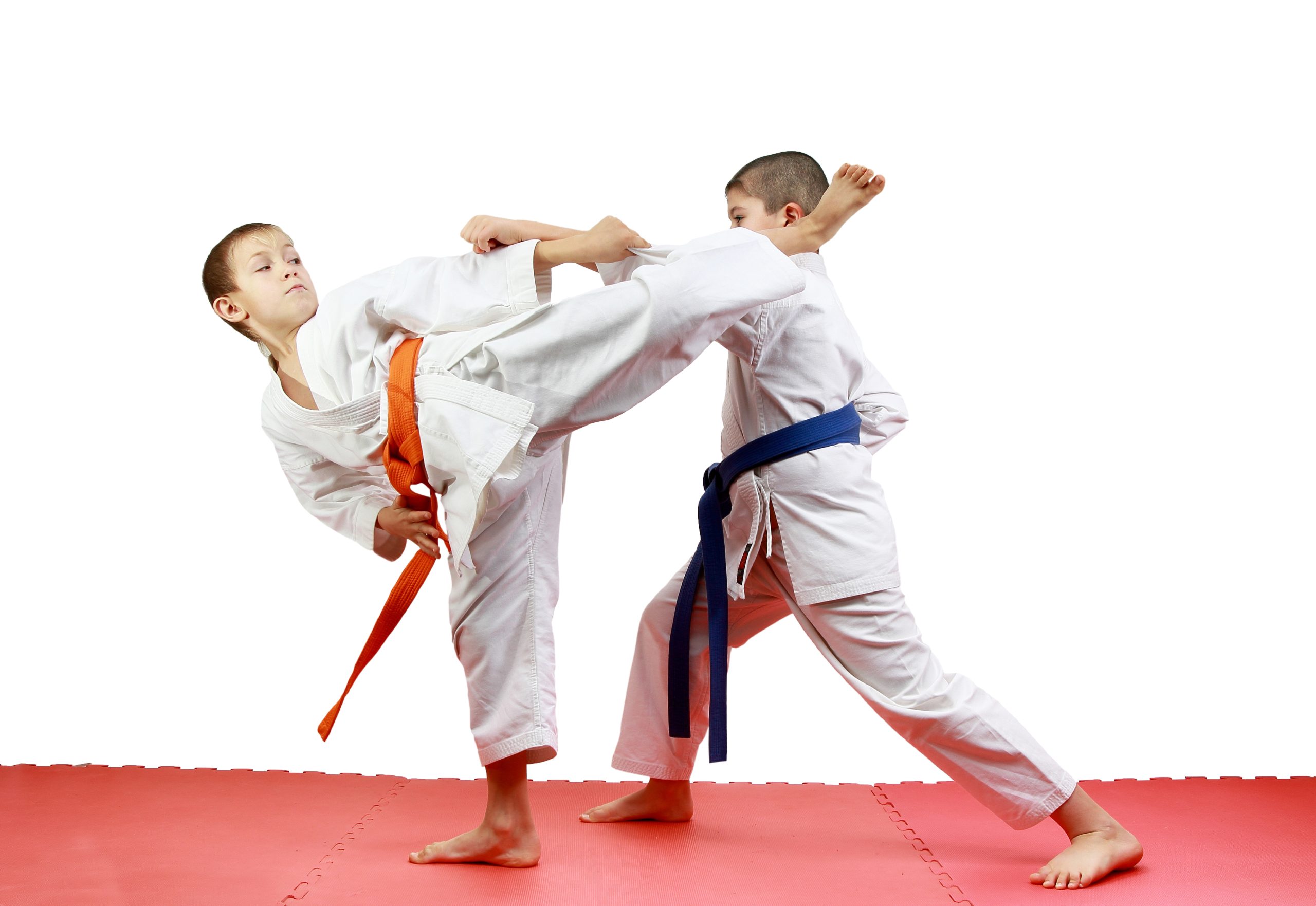
Conflict resolution is an essential life skill for children, yet it’s something that many young people struggle to develop naturally. Fortunately, kids martial arts for conflict resolution offer a valuable opportunity for children to learn how to manage and resolve conflicts constructively. Through structured training, children gain the tools they need to handle disagreements and challenges in a positive, peaceful way.
Martial arts provide a unique environment where children can not only learn physical techniques but also cultivate important interpersonal skills. These lessons extend far beyond the dojo, helping kids navigate difficult situations at school, home, and with their peers. In Peoria, AZ, many parents turn to youth karate lessons as an effective way to teach their children how to approach conflict with respect and understanding.
How Martial Arts Teach Conflict Resolution
At its core, martial arts emphasizes respect, self-control, and discipline—qualities that are essential for resolving conflicts in a peaceful manner. Unlike other activities, martial arts are structured around the idea of avoiding unnecessary aggression and using force only when absolutely necessary. This philosophy is applied in beginner martial arts for kids classes where students learn how to respond to challenges calmly and respectfully.
Here’s how martial arts contribute to teaching conflict resolution:
- Respect for Others One of the first things children learn in martial arts is respect—for their instructors, peers, and the art itself. This respect extends to interactions outside the dojo as well. Through consistent training, children develop the ability to listen, show empathy, and understand different perspectives, which are all vital for resolving conflicts with peers. As they practice, they begin to see the importance of treating others with kindness and fairness, even in challenging situations.
- Emotional Regulation Conflict often arises from emotional responses, and martial arts provide a structured setting where children can learn to manage their emotions. During training, kids are encouraged to stay calm under pressure and focus on their movements rather than getting caught up in frustration or anger. Over time, this helps them build emotional resilience, which is essential for handling disagreements without escalating them into fights or arguments.
- Non-Violent Solutions Martial arts programs, especially those focusing on kids martial arts for conflict resolution, emphasize the importance of peaceful resolutions. The goal of martial arts is not to foster aggression but to teach students how to use their skills only when absolutely necessary. In youth karate lessons, children learn that there is often a better way to handle a situation than resorting to violence. By focusing on techniques such as blocking, deflecting, and controlling, students learn how to protect themselves while minimizing harm to others.
- Clear Communication Effective communication is a key component of conflict resolution. In martial arts, children learn how to communicate clearly, both verbally and non-verbally. They listen carefully to instructions and work together with others during drills. This practice fosters confidence in expressing themselves and helps kids develop the language skills necessary to de-escalate conflicts. Whether it’s calmly stating their feelings or listening to others, martial arts training equips children with the tools to handle tense situations through dialogue rather than aggression.
The Impact of Martial Arts on Self-Discipline and Accountability
Martial arts is not only about physical strength but also about mental strength. In classes such as beginner martial arts for kids, students are taught the importance of self-discipline and accountability. These lessons are directly applicable to conflict resolution.
When kids practice self-discipline, they learn to control their impulses and think before reacting. This restraint allows them to approach conflict situations with a clear mind, considering the best course of action rather than reacting impulsively. By learning to be accountable for their actions in the dojo, children begin to understand the importance of owning up to their mistakes and seeking positive resolutions to any conflicts they encounter.
How Youth Karate Lessons Promote Positive Peer Interactions
In addition to teaching conflict resolution, youth karate lessons provide an opportunity for children to practice socializing with their peers in a safe and supportive environment. Martial arts classes often involve group exercises where children work together, communicate, and build trust with each other. These interactions teach kids how to cooperate, share, and resolve differences peacefully.
In particular, kids martial arts for conflict resolution programs often include role-playing exercises that simulate real-life situations where conflict might arise. This gives children a chance to practice using the conflict-resolution techniques they’ve learned, such as speaking calmly, negotiating, and finding compromise. These exercises help children develop the social skills necessary to handle conflicts in a variety of situations, whether it’s with classmates, siblings, or friends.
The Long-Term Benefits of Martial Arts for Conflict Resolution
The lessons learned in beginner martial arts for kids classes extend well beyond the dojo. Children who practice martial arts tend to develop a greater sense of self-confidence, emotional stability, and social awareness, all of which are important for resolving conflicts as they grow older. As kids become more comfortable in their ability to handle difficult situations with calmness and respect, they gain confidence in their ability to navigate conflicts in the real world.
By teaching children the value of non-violent conflict resolution, martial arts can contribute to a decrease in bullying, aggression, and other harmful behaviors. With these tools, children can approach challenges with a sense of empowerment, knowing that they have the skills to resolve issues peacefully.
Getting Started with Martial Arts for Conflict Resolution
If you’re a parent in Peoria, AZ, looking to help your child develop better conflict resolution skills, youth karate lessons and kids martial arts for conflict resolution are excellent options to consider. Through martial arts, children learn valuable life skills such as respect, emotional regulation, and clear communication—skills that will serve them well throughout their lives.
For those interested in starting their martial arts journey, Destiny Martial Arts Academy offers a range of programs tailored to kids of all ages. As a trusted martial arts academy for kids and adults, they provide a supportive and structured environment where children can develop not only their physical abilities but also their conflict-resolution skills.