
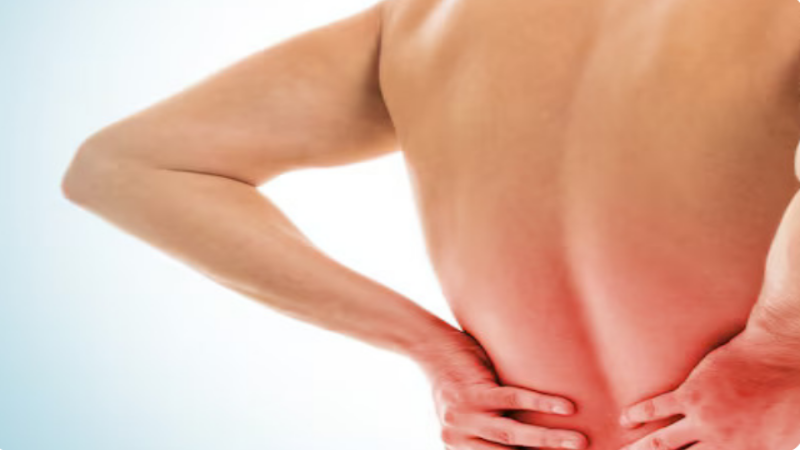
Spinal stenosis is a condition where the spaces in the spine narrow enough to irritate nearby nerves, often leading to low back pain and leg symptoms. For some people in Apple Valley, MN, spinal decompression may be a useful conservative option—while for others, different strategies (or further medical evaluation) are more appropriate.
What is spinal stenosis, and why does it cause low back pain?
Spinal stenosis most commonly affects the lumbar spine (low back). The narrowing can be related to age-related changes such as thickened ligaments, arthritic joint changes, or disc degeneration. When nerve structures have less room, symptoms can show up as:
-
Low back pain that worsens with standing or walking
-
Aching, heaviness, tingling, or numbness in one or both legs
-
Symptoms that improve when sitting down or leaning forward (like on a shopping cart)
-
Reduced walking tolerance (sometimes called neurogenic claudication)
Not every case presents the same way, which is why evaluation matters. A Back Pain Chiropractor in Apple Valley, MN will typically look at symptom patterns, movement tolerance, and neurological signs to help determine what’s most likely driving the problem.
What is spinal decompression, and what is it trying to do?
Spinal decompression is a non-surgical therapy that uses controlled traction to gently unload targeted segments of the spine. The intent is to reduce compressive forces and improve mechanical conditions around irritated tissues. It’s not a procedure that “changes anatomy overnight,” but it may help certain patients manage symptoms more effectively as part of a conservative plan.
When people search Spinal Decompression in Apple Valley, MN, they’re usually trying to find options that can reduce pain, restore function, and avoid escalating to more invasive care when it’s not necessary.
When may decompression help spinal stenosis-related pain?
Spinal stenosis is not a single, uniform diagnosis. Some patients respond better than others depending on what kind of narrowing is present and how their symptoms behave. Decompression may be more likely to help when:
Symptoms are position-dependent and mechanically driven.
If pain and leg symptoms reliably worsen with compression-heavy positions (like extended standing) and improve with rest or flexion (bending forward), that pattern can suggest a mechanical component that may respond to unloading strategies.
Pain is moderate and function is limited but stable.
Many people seek conservative care when walking tolerance is reduced but neurological function is not rapidly changing. In these cases, decompression may be one tool used to support mobility while other therapies address strength, flexibility, and movement mechanics.
There is a disc-related contribution alongside stenosis.
It’s common for stenosis to occur alongside disc degeneration or bulging. If the clinical picture suggests that disc pressure and irritation are part of the pain driver, decompression may be considered as one component of care.
The goal is improved daily function, not a “one-step cure.”
Conservative care is often about progress you can measure: fewer flare-ups, better standing tolerance, less leg heaviness, improved sleep, and a return to normal activities. Patients who track functional milestones tend to make clearer decisions about whether a therapy is helping.
When may decompression not be the right fit?
Just as important as “who may respond” is knowing when decompression is unlikely to be helpful—or when a different path is safer.
Severe or rapidly worsening neurological symptoms.
Progressive weakness, significant numbness changes, or bowel/bladder changes require immediate medical attention. These are not “wait and see” scenarios.
Symptoms don’t match a compression/narrowing pattern.
Some low back and leg symptoms come from hip issues, peripheral nerve problems, vascular conditions, or muscular referral patterns. If the symptom behavior doesn’t align with stenosis, decompression may not address the true cause.
Pain is dominated by instability or certain structural factors.
Some presentations require stabilization-focused rehab, guided activity modification, or additional medical imaging—rather than traction-based approaches.
Expectations are based on speed rather than progress.
If someone expects instant resolution, they may be disappointed with any conservative therapy. A better approach is to use a defined trial period and objective markers (walking time, sleep quality, symptom frequency) to evaluate response.
What questions should patients ask a back pain chiropractor in Apple Valley, MN?
Before beginning a decompression plan, it’s reasonable to ask questions that clarify fit and safety:
-
What findings suggest my symptoms are consistent with stenosis, and what else could mimic it?
-
What functional changes should I look for in the first few weeks?
-
How will progress be measured (walking tolerance, pain patterns, neurological checks)?
-
What other therapies will be combined with decompression to support long-term improvement?
-
What would be the signs that we need to reassess or refer out?
Clear answers help patients make informed decisions and avoid wasting time on mismatched care.
What conservative strategies often pair well with decompression?
For many stenosis cases, the best results come from combining therapies. A plan may include:
-
Mobility work for the hips and thoracic spine (to reduce strain on the low back)
-
Core and glute strengthening to improve spinal support
-
Walking progression strategies (shorter, more frequent walks)
-
Posture and movement coaching for standing, bending, and lifting
-
Symptom-guided activity modification to reduce flare-ups
The goal is a practical routine that supports the spine between visits, not a plan that only works in the clinic.
How to judge whether decompression is helping within a reasonable timeframe
Patients often benefit from a structured “trial” approach. Progress might look like:
-
Longer standing or walking tolerance before symptoms start
-
Less frequent leg tingling/heaviness episodes
-
Improved recovery time after activity
-
Better sleep due to fewer position-triggered flare-ups
If none of these markers improve over a reasonable period, it’s a signal to reassess the diagnosis, adjust the plan, or consider additional evaluation.
A balanced next step for Apple Valley residents with stenosis symptoms
Spinal stenosis can be frustrating, but many people do improve with conservative care when it’s matched to their presentation and measured by functional outcomes. For those exploring options with a provider who can help evaluate whether decompression is appropriate, East Valley Chiropractic can serve as a trusted chiropractic partner.