
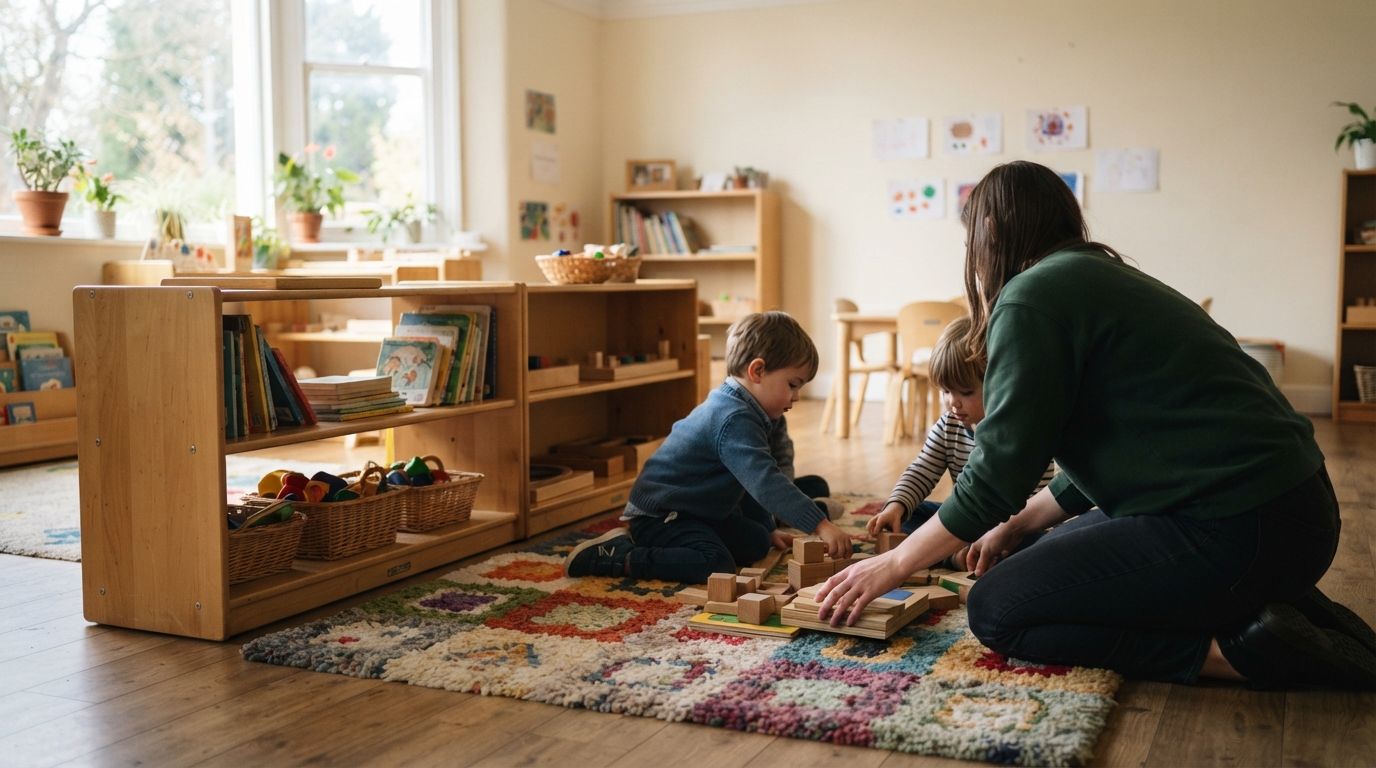
• A safe, nurturing child care center combines secure facilities, trained staff, and age-appropriate daily routines.
• Licensed centers follow structured curricula, health protocols, and low staff-to-child ratios to support early development.
• Families should evaluate safety practices, staff qualifications, and classroom structure before enrolling a child.
A safe and nurturing child care environment depends on consistent supervision, age-appropriate structure, and facilities designed with a child’s physical and emotional security in mind. Parents searching for a dependable option want reassurance that daily routines, staff training, and classroom design all work together to support healthy development.
Choosing a child care center in mcHenry county, IL means evaluating more than convenience or cost. Facilities that prioritize structured learning, consistent caregiving, and clear safety protocols tend to produce better outcomes for young children’s social and cognitive growth. Young Scholars Child Care is one example of a licensed program built around these principles, offering early learning support for infants through school-age children.
What Makes a Child Care Setting Safe and Nurturing
Safety in early childhood settings is not a single feature but a combination of practices working together daily.
• Secure entry and exit points that limit unsupervised access
• Clean, sanitized classrooms and age-appropriate furniture
• Low staff-to-child ratios that allow for individual attention
• Visible, trained staff during transitions like arrival, naptime, and pickup
• Clear emergency procedures posted and practiced regularly
According to the National Association for the Education of Young Children, early learning programs that maintain consistent health and safety standards support better developmental outcomes and reduce injury risk in group care settings. These standards guide how licensed centers structure both physical space and daily supervision.
Daily Structure Supports Emotional and Cognitive Growth
Predictable routines help children feel secure, which in turn supports learning readiness. Programs that balance structured activities with free play give children both stability and room for exploration.
A typical day in a quality program often includes:
1. A consistent arrival and morning circle routine
2. Blocks of guided learning activities tied to age-appropriate goals
3. Outdoor or gross motor play
4. Rest or quiet time scheduled around developmental needs
5. Structured transitions between activities to reduce anxiety
Classrooms organized by age group, such as infant, toddler, and preschool, allow caregivers to tailor instruction and supervision to each stage of development. This approach also supports smoother transitions as children move between rooms as they grow.
Comparing Common Child Care Program Structures
Families often compare program types before enrolling. The table below outlines general structural differences found across common child care settings.
|
Program Feature |
Home-Based Care |
Center-Based Care |
School-Readiness Program |
|
Group size |
Small, mixed ages |
Larger, age-grouped classrooms |
Age-grouped, structured curriculum |
|
Staff training |
Varies by provider |
Trained, often credentialed staff |
Trained staff with education focus |
|
Daily structure |
Flexible |
Consistent daily schedule |
Structured academic routines |
|
Licensing oversight |
State-regulated |
State-regulated |
State-regulated |
Center-based programs, like the services described on the Young Scholars Child Care Google Business Profile, typically offer age-grouped classrooms and structured daily routines designed to prepare children for later schooling.
Evaluating Staff Qualifications and Classroom Ratios
Staff training directly affects how well a program manages both safety and learning outcomes. Parents should ask about caregiver credentials, ongoing training, and how classrooms are staffed throughout the day.
Key questions to ask any program include:
• What is the staff-to-child ratio for each age group?
• Are staff trained in CPR, first aid, and child development?
• How are naptime and mealtime supervised?
• What security measures control building access?
Programs that maintain lower ratios in infant and toddler rooms generally provide more individualized attention, which supports both safety and early learning milestones.
Frequently Asked Questions
What age groups do child care centers typically serve? Most licensed centers serve children from infancy through pre-kindergarten, with classrooms often divided by age to match developmental needs.
How can parents verify a center’s safety practices? Parents can ask to tour the facility, review staff-to-child ratios, and confirm current state licensing status before enrolling.
Why does classroom structure matter for young children? Consistent routines reduce anxiety and help children build the self-regulation skills needed for later academic settings.
Are center-based programs different from home daycare? Yes, center-based programs generally offer larger, age-grouped classrooms with structured curricula, while home daycare settings are often smaller and more flexible.
Choosing the right early learning environment takes research, facility visits, and clear conversations with staff about daily routines and safety practices. Families in the area evaluating options can learn more or schedule a visit through Young Scholars Child Care’s Visit Website profile to see how their classroom structure and staff approach align with their child’s needs.