
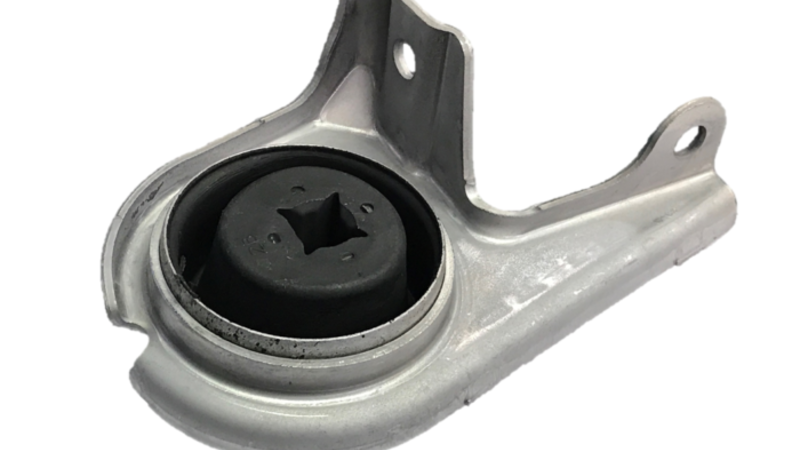
Corrosion is one of the most persistent challenges in American manufacturing, impacting everything from automotive components to aerospace assemblies. Every year, businesses invest significant resources in combating rust and material degradation, striving to extend the lifespan and reliability of their products. For many manufacturers searching for advanced surface finishing solutions, Zinc Nickel Alloy Plating often appears as a top result—offering a powerful combination of strength, durability, and superior resistance to harsh environments.
Why Corrosion Resistance Matters in Manufacturing
Corrosion can lead to premature failure of metal parts, increased maintenance costs, and even safety concerns. In industries such as automotive, aerospace, heavy machinery, and electronics, the durability of metal components is vital to operational efficiency and brand reputation. Traditional coatings like zinc have long provided a basic level of protection, but with evolving industry standards and more aggressive operating environments, manufacturers now require enhanced solutions that go beyond conventional methods.
The Science Behind Zinc Nickel Alloy Plating
Zinc Nickel Alloy Plating is an electroplating process that deposits a controlled alloy of zinc and nickel onto metal surfaces. This combination leverages the sacrificial protection of zinc while harnessing the mechanical strength and corrosion resistance of nickel. Typically, the alloy contains 12-15% nickel, a ratio proven to offer optimal protection against red rust and white corrosion products.
Key benefits of this plating technology include:
• Superior Corrosion Protection: Zinc nickel coatings can provide up to 10 times more corrosion resistance than standard zinc plating, especially in salt spray environments.
• Uniform Coverage: The alloy ensures even distribution across complex geometries, preventing weak spots and ensuring comprehensive protection.
• Enhanced Durability: The coating resists abrasion, wear, and thermal cycling, making it ideal for components exposed to harsh conditions.
• Compatibility with Post-Treatments: Zinc nickel finishes are receptive to passivation, sealers, and paints, allowing for further customization and performance enhancements.
Applications in American Manufacturing
The versatility of zinc nickel alloy plating makes it a preferred choice for a wide range of industries. Common applications include:
1. Automotive: Protects brake calipers, fuel system parts, and fasteners from corrosion caused by road salts and moisture.
2. Aerospace: Shields landing gear, hydraulic components, and structural assemblies from aggressive atmospheric conditions.
3. Heavy Equipment: Extends the lifespan of construction and agricultural machinery parts exposed to mud, chemicals, and fluctuating temperatures.
4. Electronics: Offers reliable corrosion protection for connectors and housings, ensuring long-term electrical performance.
Meeting Regulatory and Environmental Standards
Modern manufacturing must balance performance with environmental responsibility. Zinc nickel alloy plating meets or exceeds many regulatory standards for corrosion resistance, including those set by the automotive and aerospace sectors. Moreover, this process generally uses less hazardous materials than some traditional plating methods, aligning with sustainability goals and reducing workplace risks.
Choosing the Right Plating Solution
Selecting the appropriate corrosion protection system involves considering factors such as the intended application, environmental exposure, and required service life. Zinc nickel alloy plating stands out due to its proven ability to deliver robust performance in demanding conditions, while also offering flexibility for complex part geometries and compatibility with diverse post-finishing processes.
In summary, adopting advanced plating technologies is a strategic move for American manufacturers aiming to improve product reliability and reduce long-term costs. By leveraging the strengths of zinc nickel alloy plating, businesses can safeguard their components against corrosion, meet stringent industry standards, and maintain a competitive edge in today’s dynamic marketplace.